If there's one time of year that reveals the heart of Vietnamese culture, it's Tết Nguyên Đán — the Lunar New Year. Falling in late January or February, Tết marks the start of the lunar calendar and is, without question, Vietnam's most important holiday.
A Time for Homecoming
In the days before Tết, cities across Vietnam empty out as millions travel home to their families, often from hundreds of kilometers away. It's a holiday built on reunion — visiting grandparents, honoring ancestors, and starting the year together.
Bánh Chưng: The Taste of Tết
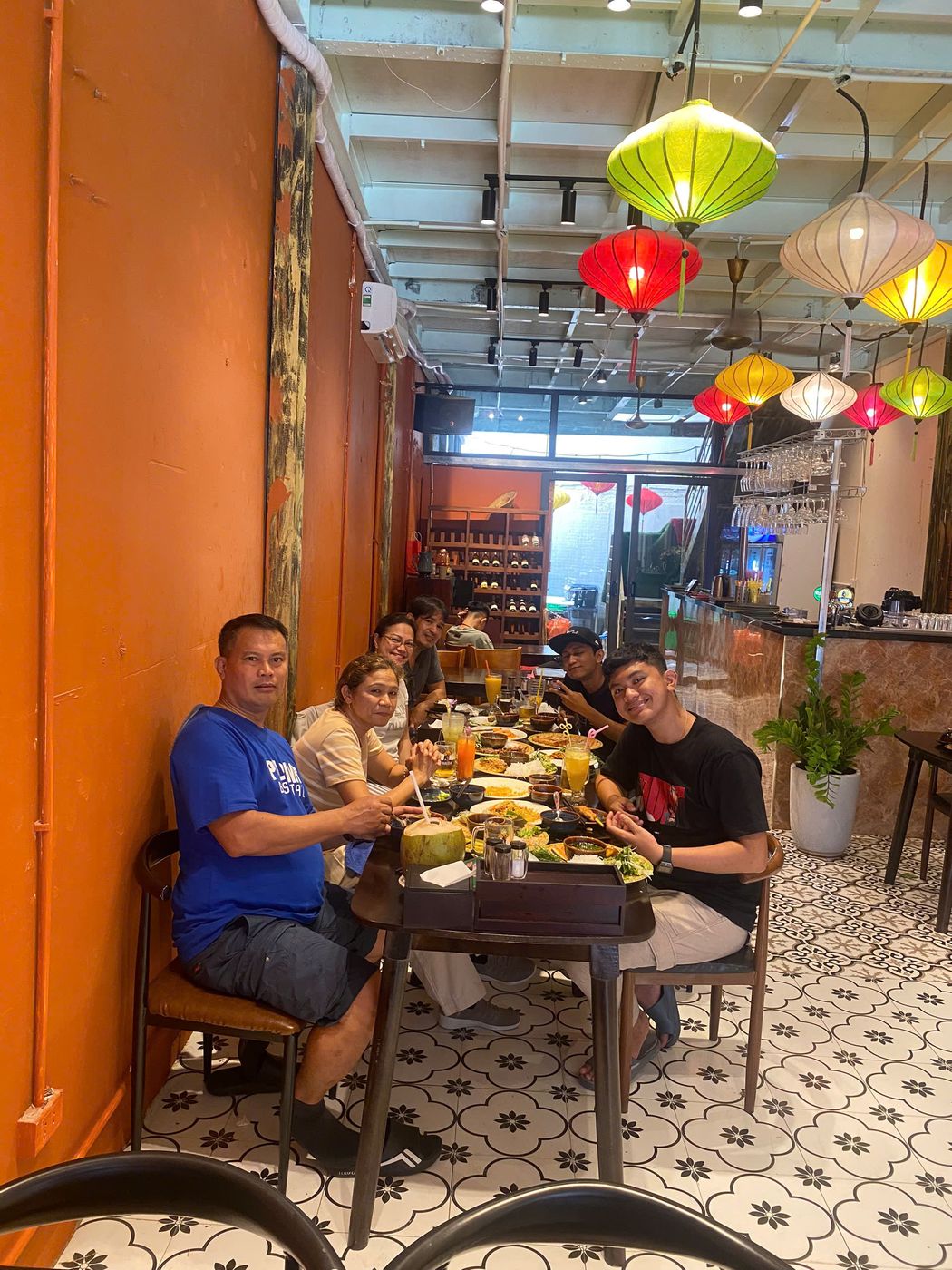
No Tết table is complete without bánh chưng, a square rice cake of glutinous rice, mung bean, and fatty pork, wrapped in dong leaves and boiled for hours. Families often prepare it together in the days before New Year's Eve — a tradition said to date back thousands of years, honoring the earth and Vietnam's agricultural roots.
Lucky Money and New Beginnings
On the first days of Tết, elders give lì xì — small red envelopes of “lucky money” — to children and unmarried family members, wishing them health and prosperity. Homes are cleaned and decorated with peach blossoms (in the north) or apricot blossoms (in the south), and everyone tries to start the year with kind words, since the first days of Tết are believed to set the tone for the rest of the year.
A Table Full of Symbolism
Beyond bánh chưng, Tết feasts often include boiled chicken, pickled vegetables, dried candied fruits (ô mai), and simmered pork with eggs — each dish carrying its own meaning of luck, prosperity, or family unity.
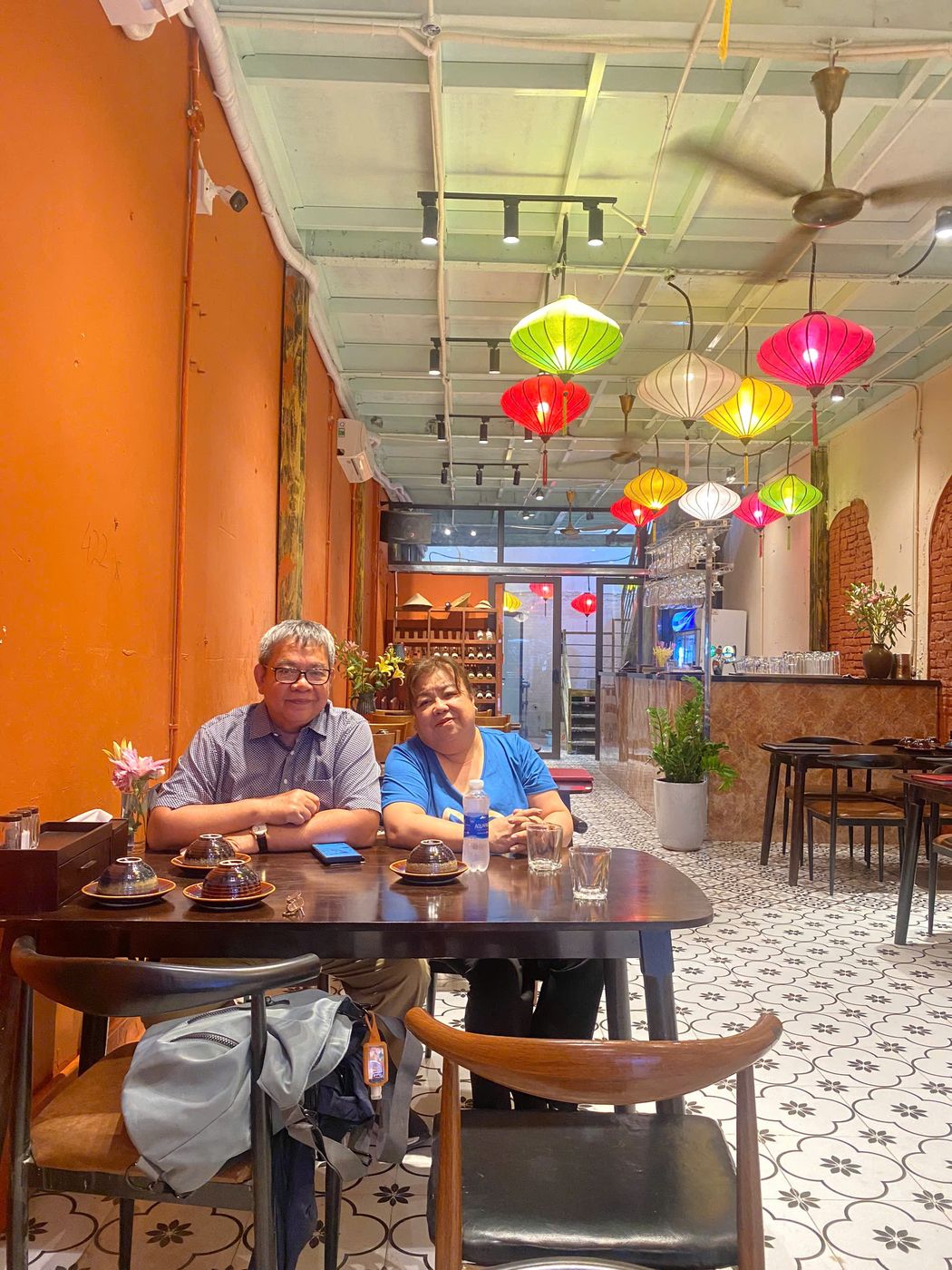
If you find yourself in Hanoi around Tết, expect the city to feel different — quieter, warmer, and full of quiet ritual. At Hanoi Cuisine 1925, we love this season for the same reason our guests do: it's a reminder that the best meals are the ones shared with people we care about.
Back to News